OEM / ODM Process
Bring us an idea, a reference, or a complete specification — we help shape it into a refined product ready for production.
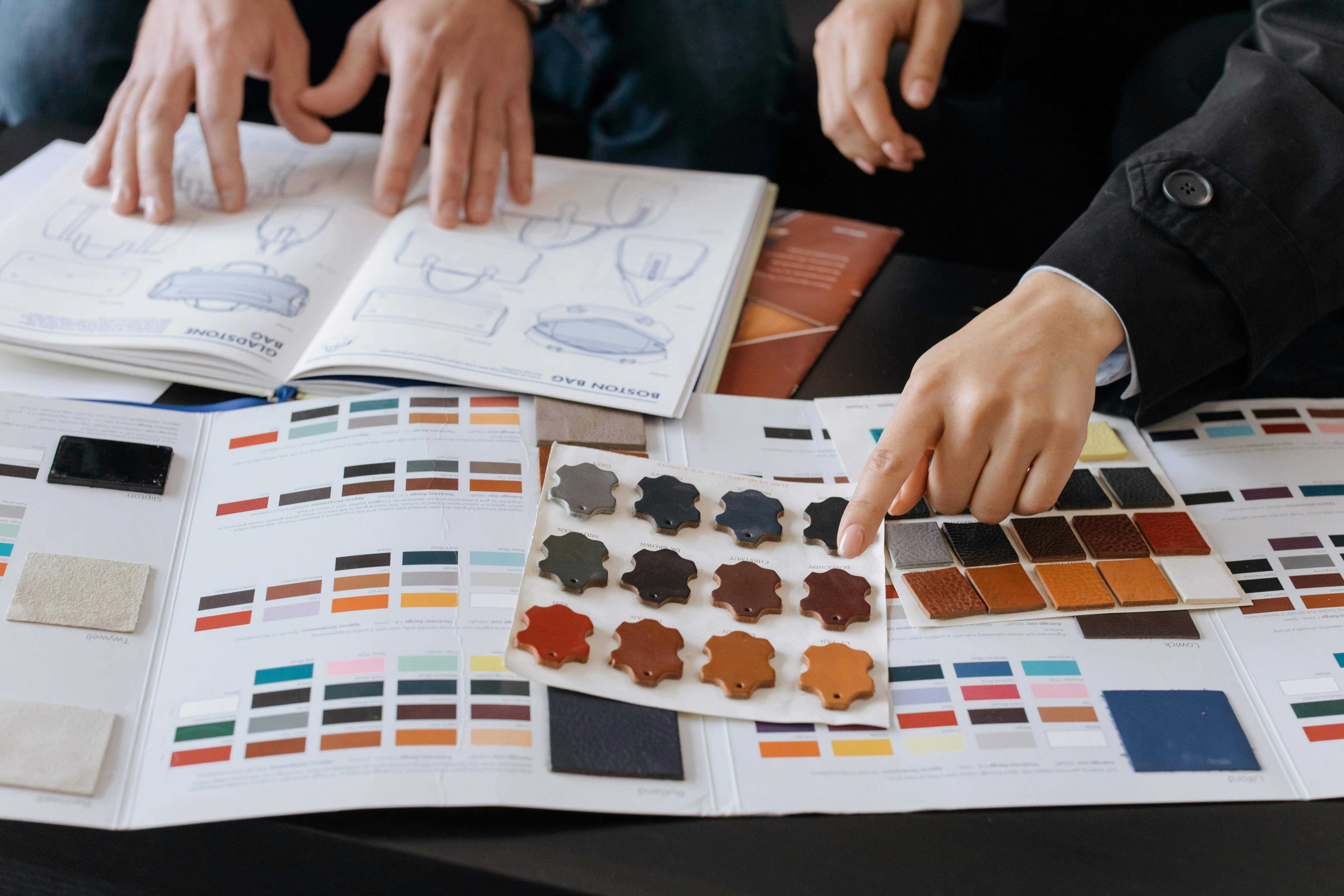
From Idea to Production-Ready

You bring the product direction.
We turn your design, reference, or specification into a manufacturable leather goods product.

Product Direction
Idea · Reference · Specification
Technical Assessment
Materials · Construction · Feasibility

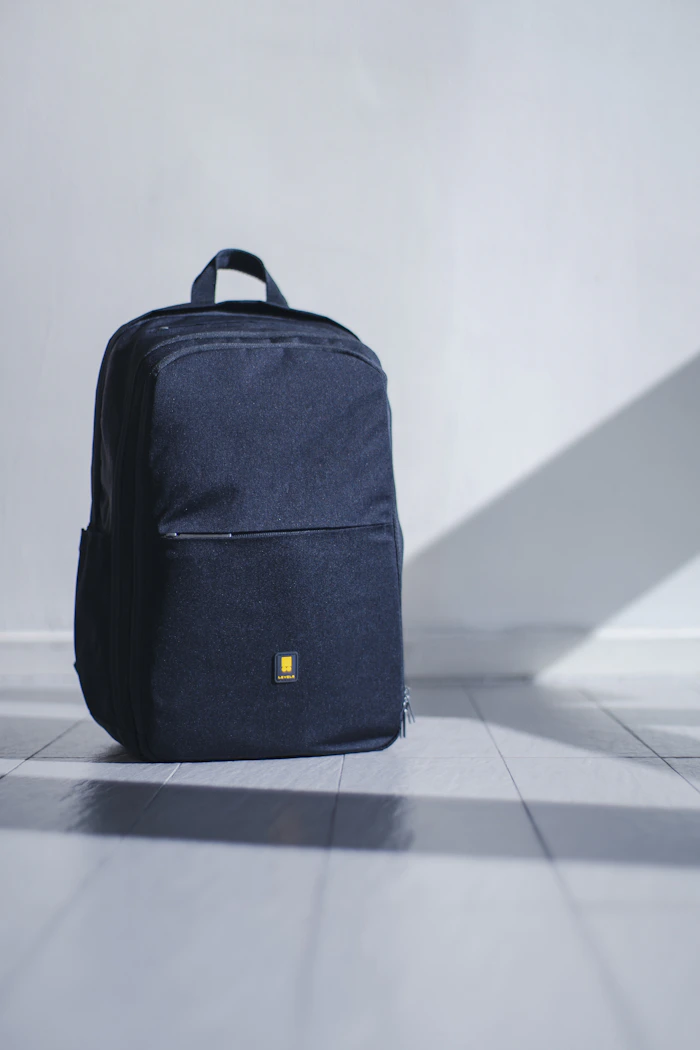
Pattern & Construction
Shape · Pattern · Components
Prototype Development
First physical product

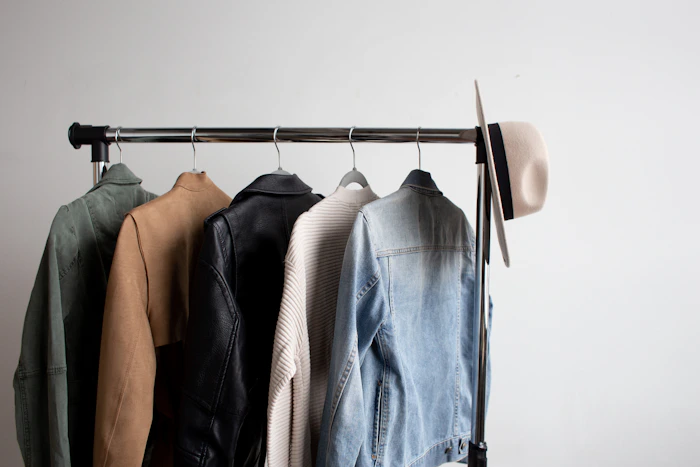
Sample Review
Feedback · Adjustment · Approval
Pre-Production
Final sample · Specifications · QC

The Benefits of OEM,
Made Practical.
OEM gives your brand greater control over product development, materials, quality, and production. It helps reduce uncertainty, maintain clear specifications, and establish a reliable foundation for consistent repeat manufacturing.
Lower Development Risk
Product decisions are tested against real materials, construction methods, and manufacturing possibilities before moving into bulk production.
Greater Product Control
Your specifications, materials, proportions, finishing details, and quality expectations remain connected throughout development.
Built for Repeatability
Once the product is approved, the development becomes a clear reference for consistent production across future orders.
Why Wild Woven for OEM
Practical support that makes product development easier to start, refine, and move into production.
Flexible MOQ
Start with practical quantities suited to growing brands and new product launches.
Development Expertise
Turn your ideas, references, and specifications into products built for real manufacturing.
Material & Component Support
Make informed choices across leather, hardware, lining, trims, and construction.
Production Confidence
Keep specifications, quality, and production expectations aligned before manufacturing.
OEM Questions, Answered.
Clear answers to the practical questions buyers often consider before starting an OEM project.
Can Wild Woven develop products from our own specifications? +
Yes. Wild Woven can work from your specifications, product references, drawings, measurements, material requirements, and construction details to develop products according to your intended design and production requirements.
What types of leather goods can you produce through OEM? +
Our OEM capability covers a range of leather goods, including handbags, wallets and small leather goods, belts, and other leather accessories. Product feasibility can be reviewed according to your construction, material, finishing, and quantity requirements.
Can I choose the leather, hardware, lining, and other components? +
Yes. Material and component selection can be discussed during development. This may include leather type, color, thickness, hardware, lining, trims, thread, finishing, and other construction details required for your product.
What is the minimum order quantity for an OEM project? +
MOQ depends on the product, materials, construction, and production requirements. Wild Woven aims to offer practical quantities for growing brands while maintaining production efficiency. Share your product details and expected quantity so we can assess the appropriate MOQ for your project.
Can I request a sample before placing a production order? +
Yes. Product development and sampling can be used to review proportions, materials, construction, finishing, and other specifications before moving into bulk production. Any required revisions can be discussed during the development stage.
Can Wild Woven help if our product specification is not yet complete? +
Yes. If you have an initial concept, reference product, sketch, image, or partial specification, our team can review the requirements and discuss practical approaches to materials, construction, and manufacturability before development proceeds.
How does Wild Woven maintain consistency during production? +
Approved product specifications, materials, construction details, finishing requirements, and quality expectations are used as production references. This creates a clearer manufacturing basis for maintaining consistency across an order and future repeat production.
Can we place repeat orders for the same OEM product? +
Yes. Once an OEM product has been developed and approved, the established specifications can serve as the reference for future production. Repeat orders can therefore be handled with greater clarity and consistency.
Can Wild Woven support private-label or branded products? +
Yes. OEM production can be developed around your brand’s product specifications and requirements, including agreed branding, labeling, materials, finishing, packaging, and other product-specific details.
How do we start an OEM project with Wild Woven? +
Start by sharing your product concept, specifications, reference images or drawings, estimated quantity, target materials, and any important quality or delivery requirements. Our team can then review the brief and discuss the appropriate development and production approach with you.
Build Your OEM Product
Turn your product concept into a clear, production-ready result. Our OEM team can work with your specifications, materials, construction, and quality requirements to develop products with greater control and consistency from development to production.
From Concept to Market-Ready Product
ODM combines product development, design expertise, technical knowledge, and manufacturing capability to turn an early product direction into a commercially practical leather goods product.
ODM, or Original Design Manufacturing, is a collaborative product development approach in which the manufacturer can contribute to the product itself — not simply manufacture a finished design.
The process can begin with a market opportunity, product category, functional requirement, visual direction, reference, or early concept. From that starting point, the product is developed through design, technical evaluation, material selection, construction, sampling, and refinement.
Product proportions, silhouettes, compartments, closures, handles, straps, leather selection, lining, hardware, finishing, and functionality are considered together so that the final product works both visually and practically.
Physical prototypes provide the opportunity to evaluate the product in real form. Feedback and refinement then allow dimensions, construction, materials, components, functionality, and finishing details to be adjusted before production preparation.
Once the product has been approved, the developed design is translated into a controlled manufacturing specification. Materials, patterns, components, construction methods, finishing requirements, and quality expectations are confirmed for production.
The result is a product developed through collaboration between market direction, design thinking, technical expertise, and manufacturing capability — ready to move from development into production.
A product is not simply made. It is developed, tested, refined, and prepared for the market.
You bring the product opportunity.
We develop the concept, design, and manufacturing path into a market-ready leather product.

Product Opportunity
Market · Customer · Direction

Product Concept
Function · Positioning · Aesthetic
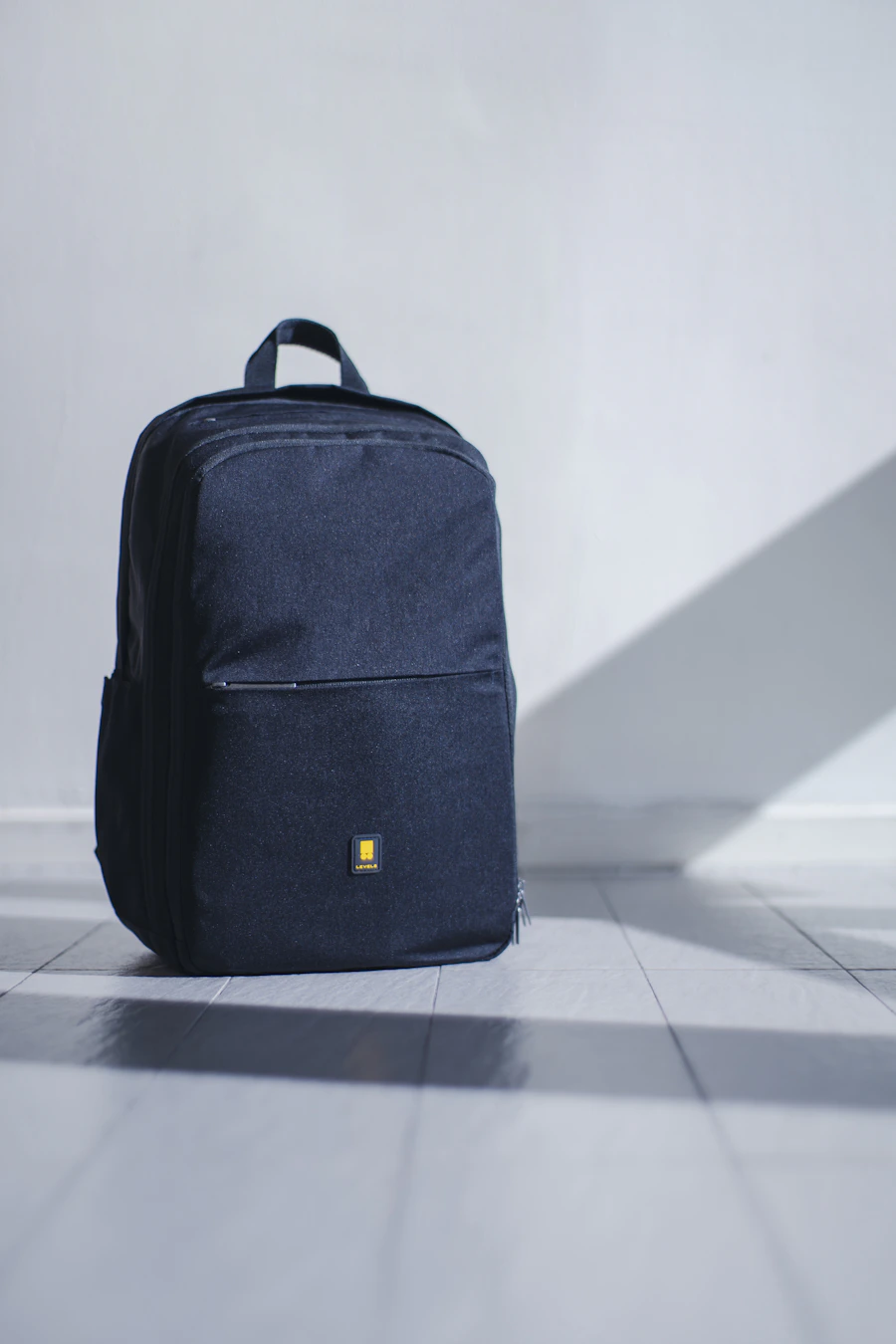
Design & Construction
Shape · Materials · Components

Physical Development
Pattern · Sample · Function
Review & Refinement
Feedback · Adjustment · Validation

Production Preparation
Specifications · Standards · QC
The Benefits
of ODM.
ODM gives your brand a practical way to develop products from an established manufacturing foundation. Instead of starting every detail from zero, you can shape proven product possibilities around your market, brand identity, and commercial needs.
Faster Route to Market
Build from existing product knowledge, established construction methods, and proven manufacturing capabilities to shorten the path from product idea to market-ready development.
Adaptable to Your Brand
Product concepts can be refined through materials, proportions, colours, functions, hardware, and finishing details so the final product feels relevant to your brand and target customer.
Less Complexity, More Focus
With much of the underlying product development already established, your team can concentrate more closely on positioning, refinement, market fit, and the details that make the product yours.
Why Wild Woven for ODM
Practical development support that helps transform an idea into a refined, manufacturable product.
From Concept to Product
Turn ideas, references, sketches, and market direction into a practical product concept.
Design Development
Refine proportions, construction, materials, and functional details for a stronger finished product.
Material & Technical Guidance
Balance leather, hardware, lining, construction, durability, and production practicality.
Ready for Production
Develop the approved product with clear construction and quality expectations for manufacturing.
ODM Questions, Answered.
Clear answers to the practical questions buyers often consider before developing an ODM product.
What does ODM mean when working with Wild Woven? +
ODM allows you to develop a product with Wild Woven beyond a fixed specification. Our team can contribute to product direction, materials, construction, functionality, and manufacturing considerations to help turn an initial concept into a commercially practical leather product.
Can Wild Woven help develop the product concept itself? +
Yes. You can begin with a concept, reference, inspiration, market direction, sketch, or early product idea. We can discuss practical approaches to shape the concept into a manufacturable product while considering materials, construction, appearance, functionality, and production requirements.
How much product development input can Wild Woven provide? +
Development involvement can be discussed according to your project needs. Wild Woven can contribute to areas such as material selection, construction methods, component choices, proportions, finishing, and manufacturability so the final product is practical to produce and aligned with your intended direction.
Can ODM work if we do not have a complete product specification? +
Yes. ODM is particularly suitable when the product direction is still being developed. You may provide an initial idea, visual references, functional requirements, target customer, or preferred style, and the development discussion can help establish a clearer product specification from there.
Can we influence the materials and final appearance of an ODM product? +
Yes. Your desired aesthetic and product positioning remain important throughout development. Leather, color, texture, hardware, lining, trims, finishing, branding, and other details can be evaluated and refined to achieve the intended product character while remaining suitable for manufacturing.
Can Wild Woven develop a product specifically for our brand or market? +
Yes. ODM development can be shaped around your brand direction, target customer, intended market, price positioning, and product requirements. These factors can help guide decisions during development so the resulting product is better aligned with your commercial objectives.
Is sampling part of the ODM development process? +
Sampling can be used to evaluate the developing product before production. Proportions, materials, construction, functionality, finishing, and other relevant details can be reviewed and refined through the development process before the product moves toward bulk manufacturing.
Can an ODM product be developed for repeat production? +
Yes. Once the product has been developed and its specifications have been established and approved, those specifications can provide the manufacturing reference for future production. This helps create greater clarity when placing repeat orders.
Can ODM include branding and private-label requirements? +
Yes. Where required, ODM development can incorporate agreed branding and private-label requirements, including logos, labels, packaging, material choices, finishing details, and other product-specific elements established during development.
How do we start an ODM project with Wild Woven? +
Begin by sharing your product idea, visual references, target market, preferred product category, estimated quantity, desired materials, and any commercial or functional requirements you already have. Our team can review the initial direction and discuss how the ODM development process could move the concept toward a production-ready product.
Build Your ODM Product
Start with an idea, direction, or market opportunity. Our ODM team can help shape the concept, develop the product, refine materials and construction, and prepare it for reliable manufacturing.